The Self-Gifting Boom: Why Shoppers Buy Gift Cards for Themselves
Self-use gift cards nearly doubled to 56% in 2026. How Shopify merchants can win budget-minded buyers before Q4.
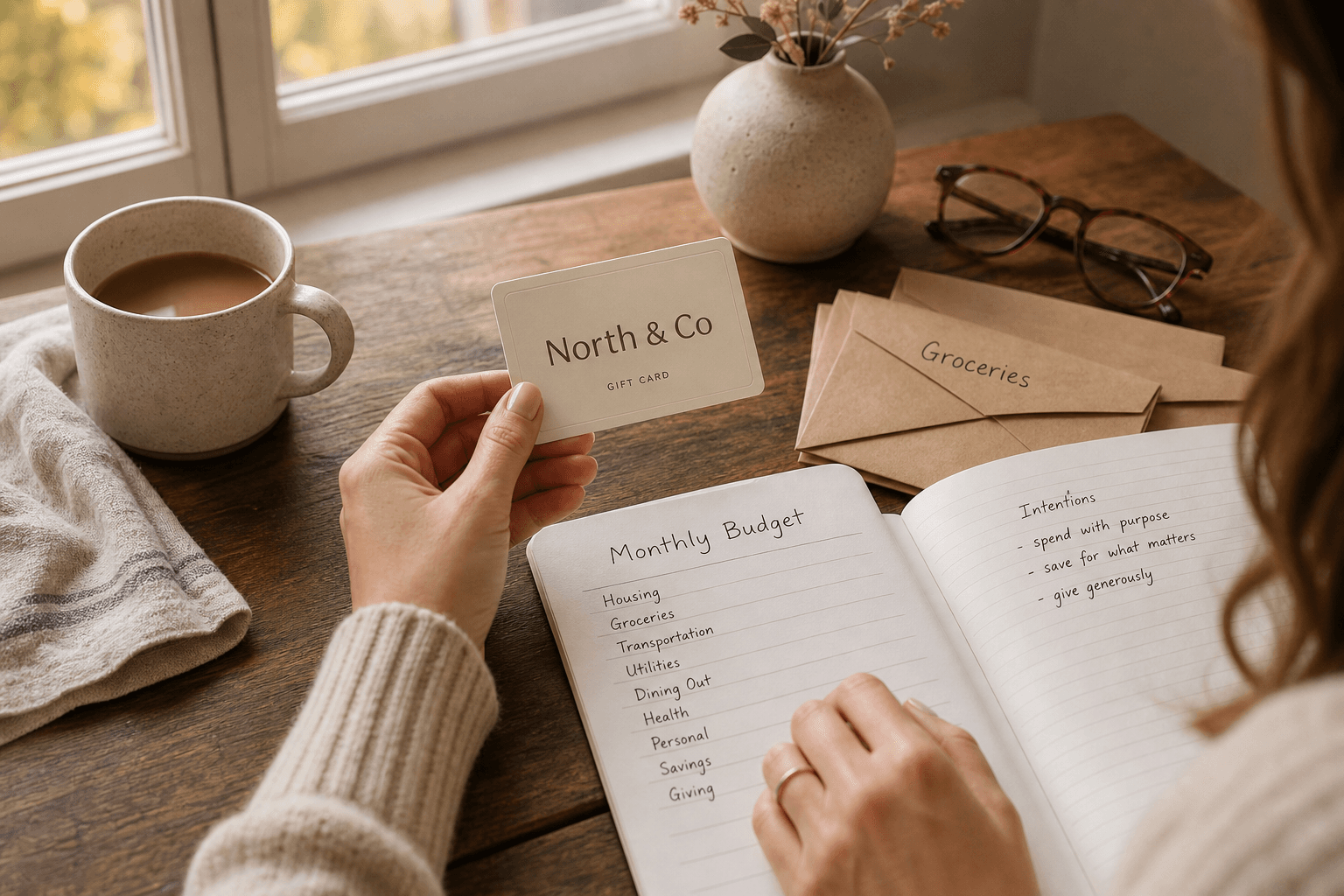
Labor Day Is Over. Self-Gifting Season Is Not.
By early September, most Shopify calendars pivot hard toward Q4: fraud rules, sending domains, corporate outreach, BFCM creative. That work matters. Our Q4 gift card prep checklist covers the operational runway. What often gets skipped is a quieter demand shift that already remade gift card buying in 2026: shoppers are not only sending cards to other people. They are buying them for themselves as deliberate budget tools.
Blackhawk Network research covered by Chain Store Age in June 2026 found that 77% of U.S. consumers plan to purchase gift cards in 2026, while the share planning to buy cards for self-use as a spending strategy nearly doubled, from 31% in 2025 to 56% in 2026. That is not a holiday footnote. It is a year-round behavior that accelerates as paydays, restocks, and early holiday planning collide in September and October.
If your gift card PDP still speaks only to "send a surprise," you are speaking past more than half of the buyers the research describes.
What the 2026 Data Actually Says
Two complementary datasets tell the same story from different angles.
Blackhawk Network: defensive spending, not impulse gifting
BHN frames the jump in self-use as intentional budgeting under prolonged economic pressure. In the same survey coverage:
- Nearly 60% of shoppers say they would spend beyond the original gift card value when redeeming.
- Average upspend totaled $73, up $5 since 2024.
- Smaller denominations punch above their weight: 74% of respondents said they would spend more than the value of a $10 card.
Brett Narlinger, BHN's chief revenue officer, put it plainly in that coverage: gift cards remain popular gifts, but the majority of consumers are also using them to establish financial guardrails while spending power feels thin. Closed-loop store cards become a way to keep discretionary dollars inside a chosen brand instead of on an open network card that can wander anywhere.
Fiserv: gift cards as everyday money management
Fiserv's Gift Card Gauge reporting on budgeting behavior found that a large majority of respondents say sticking to a budget is easier when using gift cards, with Gen X and millennials leading adoption. Nearly one in four consumers buy gift cards for themselves as a budgeting tool. Common self-use categories include coffee shops (58%), department stores (46%), discount retailers (41%), and digital subscriptions (36%).
Shoppers also want the product to feel like a financial tool, not a forgotten code in email. Fiserv reports that 83% of respondents want better gift card budgeting features, especially bonus loyalty points, spend tracking, and balance alerts. Merchants who ignore that expectation leave loyalty on the table.
The upspend pattern should already be familiar if you have read why gift card recipients spend more. Self-purchasers behave the same way once a balance sits in your store: browsing resistance drops, and average order value climbs. Pair that with the tactics in our AOV guide and self-gifting becomes a prepaid funnel, not a niche SKU.
Why Reddit-Style Budgeting Makes Brand Cards Attractive
You can see the consumer logic without a survey deck. In personal finance communities, people debate envelope systems, cash stuffing, and prepaid or store-specific cards as ways to hard-cap categories like coffee, apparel, or dining. Threads in places like r/budget and r/personalfinance keep returning to the same idea: separate the money before the temptation hits.
A Shopify store gift card is the brand-owned version of that envelope:
- Prepaid dollars stay inside your catalog, not on a general-purpose card that can fund a competitor.
- You capture cash today for redemptions that may happen over weeks.
- Every balance check and redemption is a branded re-engagement moment.
- Digital delivery removes shipping friction for shoppers who want instant control, not a plastic card in the mail.
That is also why native Shopify gift cards alone often feel incomplete for this use case. Issuance and checkout redemption are table stakes. Self-gifters still need a clear purchase path, denominations that match real carts, branded confirmation, and an obvious way to check what is left. Shopify community threads regularly surface merchants asking how recipient fields, custom amounts, and smoother gift experiences work without bolting on extra tools. The self-gifting buyer cares even more about speed and clarity, because there is no "someone else will figure out the code later" excuse.
How to Capture Self-Gifters Before Peak Q4
You do not need a new product line. You need positioning, denominations, and a prepaid experience that treats "buy for me" as a first-class path.
1. Rewrite the gift card page for two jobs
Keep "send to someone special." Add a second headline and body line for self-purchase: "Set a budget for your next haul," "Preload your favorites before payday," or "Treat yourself without overspending." September is the right time to test that copy, while early holiday shoppers are already browsing and Labor Day sales traffic is still warm.
2. Match denominations to real order sizes
Self-gifters buy cards they can finish in one or two visits. Map presets to your average order value and top SKUs, not arbitrary $25 / $50 / $100 defaults. With GoGiftCards, denominations are product variants, so you can align card values to bestsellers and seasonal drops.
3. Make mobile purchase and redemption frictionless
Self-purchases often happen mid-scroll on a phone. Keep the path short: visible entry point, fast checkout, immediate confirmation, and a clear "Start Shopping" redemption page. GoGiftCards adds a storefront "Send as a Gift" flow for true gifts, plus branded redemption and balance pages so the experience still feels like your store when the buyer is also the recipient.
4. Treat balance visibility as a loyalty feature
Fiserv respondents specifically want spend tracking and balance alerts. Even a branded balance checker gives self-gifters a reason to return, confirm what remains, and finish the balance (often with overspend). GoGiftCards includes a public balance checker where customers can look up by code or email and request a resend if they lose the original message.
5. Run light prepaid promotions with fraud controls on
Bonus incentives ("buy a $100 card, get $10 free") convert budget-minded shoppers without permanently discounting your catalog. High-value prepaid cards also attract abuse, so keep risk holds active. GoGiftCards scores order risk and can park medium-and-higher risk gift orders in an approval queue before value is issued.
6. Do not abandon true gifting while you court self-buyers
Birthdays, thank-yous, and early holiday sends still introduce new customers when a purchaser emails a card to someone else. GoGiftCards supports recipient details, personal messages, sender names, and scheduled delivery so gifts land on the right morning. The winning program serves both shoppers: the friend sending a surprise, and the customer preloading their own next order.
A Simple September Checklist
- Add homepage or nav language that says gift cards are for gifting and personal budgets.
- Audit denominations against AOV and your top five products.
- Confirm redemption and balance pages are branded, mobile-friendly, and linked from confirmation emails.
- Schedule one non-holiday campaign (payday Friday, restock drop, loyalty week) with self-purchase messaging before mid-October.
- Segment gift card orders where purchaser and recipient emails match. That cohort is your self-gifting base for remarketing.
If you want scheduled sends for true gifts, personalized messages, branded pages, fraud review, and denomination control without stitching multiple apps together, GoGiftCards is built for that stack. Basic starts at $4.99/mo with a 7-day free trial; Pro adds unlimited gift card products, Gift Board, custom sending domain, and bulk CSV issuance when prepaid volume grows.
The Bottom Line
Self-gifting is mainstream defensive spending, not a quirky edge case. BHN's 2026 research puts self-use intent at 56%, Fiserv shows shoppers treating cards as budget tools and asking for better balance and loyalty features, and upspend still rewards merchants after the prepaid sale. September is when that behavior meets your Q4 prep window.
Make the "buy for yourself" path obvious, mobile-first, and denomination-smart. That is how Shopify stores turn cautious consumer budgets into prepaid cash flow and repeat redemptions before Black Friday even starts.
Related Articles
AI Is Becoming the World's Biggest Gift Concierge
Shoppers are asking ChatGPT and Gemini what to buy. Gift cards are the top answer — here's why that matters for Shopify merchants.

Gift Card Personalization in the Age of AI: 5 Trends Shaping 2026
From AI-generated designs to predictive gifting, these 5 trends are reshaping how Shopify merchants personalize digital gift cards.
The Rise of Corporate Gifting: Why B2B Gift Cards Are a $629 Billion Opportunity
The B2B gift card market is projected to hit $629B by 2031. Learn how Shopify merchants can capture corporate gifting revenue.